NETWORK UNLOCKING SOLUTIONS,MAKE MONEY ONLINE, FREE BTC, LATEST TECH NEWS , FREE MONEY OMLINE MONEY, russia ukraine war, russia south korea, russia targets south korea, russia japan, russia japan news, vladimir putin nato, vladimir putin ukraine war, ukraine war news, ukraine war latest news, putin south korea japan, putin on ukraine war, putin on nato, putin news, putin news today, russia ukraine war news, russia war plans, russia leaked documents
NETWORK UNLOCKING SOLUTIONS,MAKE MONEY ONLINE, FREE BTC, LATEST TECH NEWS , FREE MONEY OMLINE MONEY, russia ukraine war, russia south korea, russia targets south korea, russia japan, russia japan news, vladimir putin nato, vladimir putin ukraine war, ukraine war news, ukraine war latest news, putin south korea japan, putin on ukraine war, putin on nato, putin news, putin news today, russia ukraine war news, russia war plans, russia leaked documents
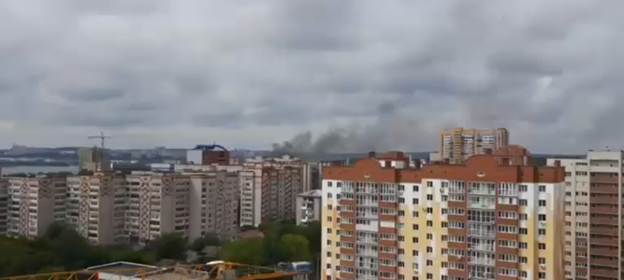
Drones struck multiple targets in Russia overnight on July 4, including a high-value defense facility in the southern Rostov region, according to Andrii Kovalenko, head of the counter-disinformation center at Ukraine’s National Security and Defense Council.
Kovalenko said a drone hit the Azov Optical and Mechanical Plant in the town of Azov, Rostov Oblast. The facility reportedly manufactures critical components for the Russian military, including sights, rangefinders, thermal imaging systems, and fire control equipment for tanks, infantry fighting vehicles, ships, and aircraft.
"This is where the 'eyes' for Russian armored vehicles are assembled," Kovalenko wrote.
Russian officials also confirmed drone strikes across several regions.
Yuriy Slyusar, acting governor of Rostov Oblast, said a number of towns in the region were struck by drones. In the city of Azov, the attack reportedly damaged several cars and shattered windows in residential buildings. Debris from one drone allegedly fell onto a local stadium.
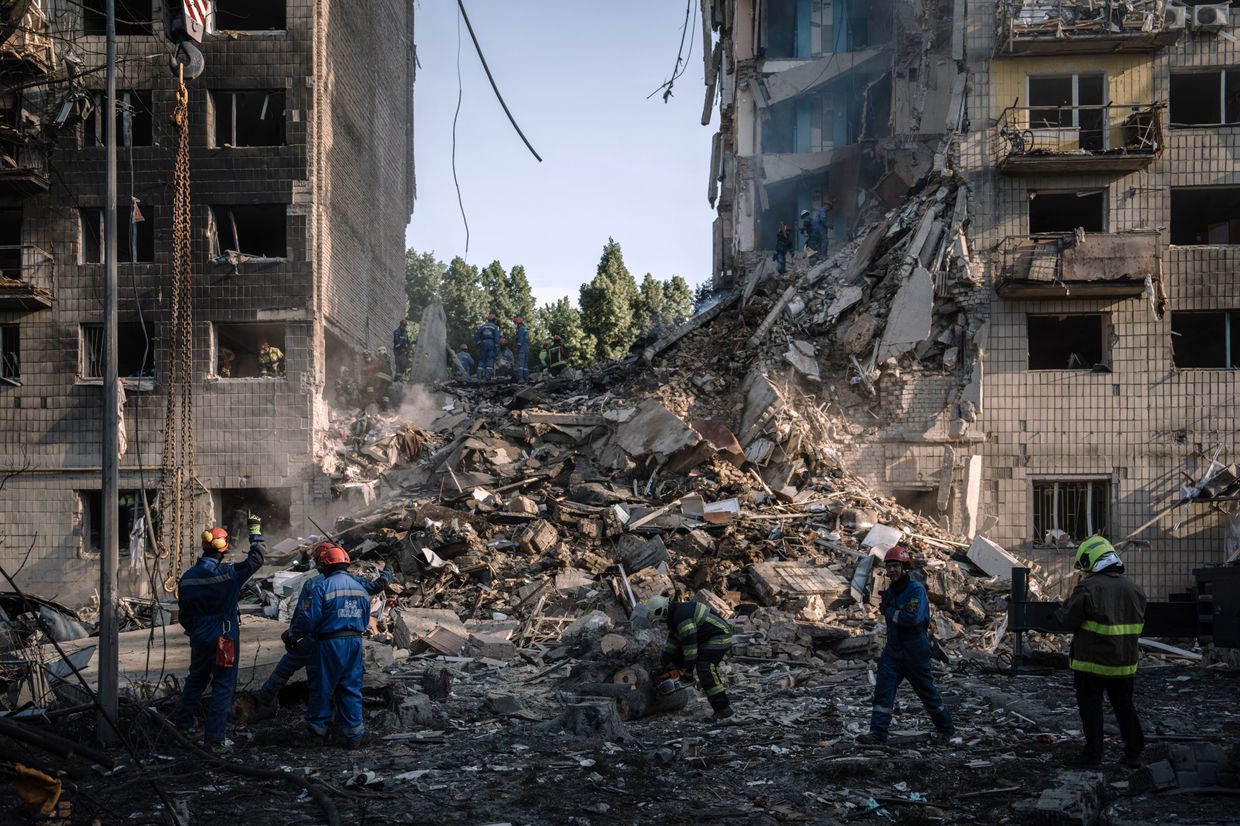
In the village of Dolotinka, a drone strike reportedly caused the collapse of a section of a residential apartment building, killing an elderly woman. Authorities said 20 residents were evacuated from the damaged structure.
In Sergiyev Posad in Moscow Oblast, four explosions were reported around 5 a.m. near the Zvezdochka neighborhood, accompanied by the sound of drone engines, according to local residents. Oksana Yerokhanova, head of the district, said a power substation was damaged in the incident.
Two people were injured in Sergiyev Posad, according to Governor Andrei Vorobyov.
Russia's Defense Ministry later claimed that air defense systems had intercepted or destroyed 48 Ukrainian drones overnight. According to the ministry, 26 were downed over Rostov Oblast, 12 over Kursk Oblast, six over Belgorod Oblast, three over Oryol Oblast, and one over Lipetsk Oblast.
The Kyiv Independent could not independently verify these claims. Ukrainian authorities have not commented on the incidents.
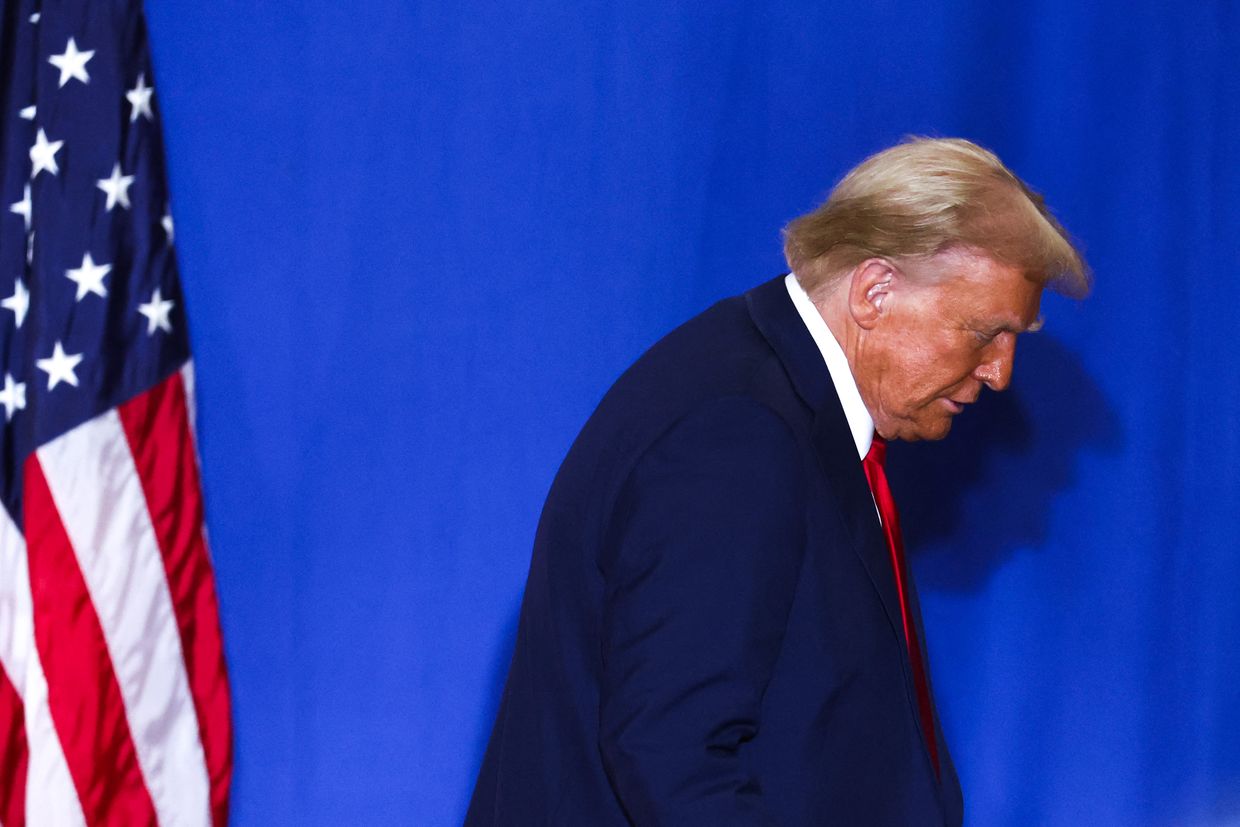
U.S. President Donald Trump told reporters on July 3 that he "didn't make any progress" on ending the war in Ukraine during his call with Russian President Vladimir Putin earlier in the day.
"We had a call. It was a pretty long call. We talked about a lot of things," Trump said ahead of his flight to an Iowa event.
When asked if he had made any progress with Putin on the call, Trump responded: "No, I didn't make any progress with him today at all."
The two leaders held an hour-long conversation early in the on July 3 focused on Russia's war in Ukraine and the situation in the Middle East. The call marks the sixth conversation between the two men since Trump took office in January.
Kremlin aide Yury Ushakov told reporters earlier in the day that Putin said "Russia will continue to pursue its goals" in the war against Ukraine.
"Our president said that Russia will pursue its goals, specifically addressing the root causes that led to the current situation, and will not back down from these objectives," Ushakov added.
The White House did not provide a read out of the meeting, and Trump did not provide further comment on the phone call.
Since taking office, Trump has attempted to broker a ceasefire between Ukraine and Russia to no avail. Despite two rounds of negotiations between Kyiv and Moscow, Putin has refused to implement a ceasefire, citing his maximalist demands.
While Trump has expressed frustration with Russia's continued aggression, his administration has not imposed new sanctions nor taken steps to pressure the Kremlin directly.
Putin's message came amid a surge of Russian drone and missile attacks across Ukraine that have killed and injured hundreds of civilians in recent weeks.
The strikes have destroyed numerous infrastructure as Russia intensifies its assault despite repeated calls from Kyiv, Washington, and European leaders for an unconditional ceasefire.
The phone call also came just a day after the U.S. Defense Department paused shipments of key weapons systems to Ukraine, including Patriot air defense missiles and precision-guided munitions. Ukraine's Foreign Ministry has warned that the delay undermines defense efforts and risks emboldening Russia to escalate further.
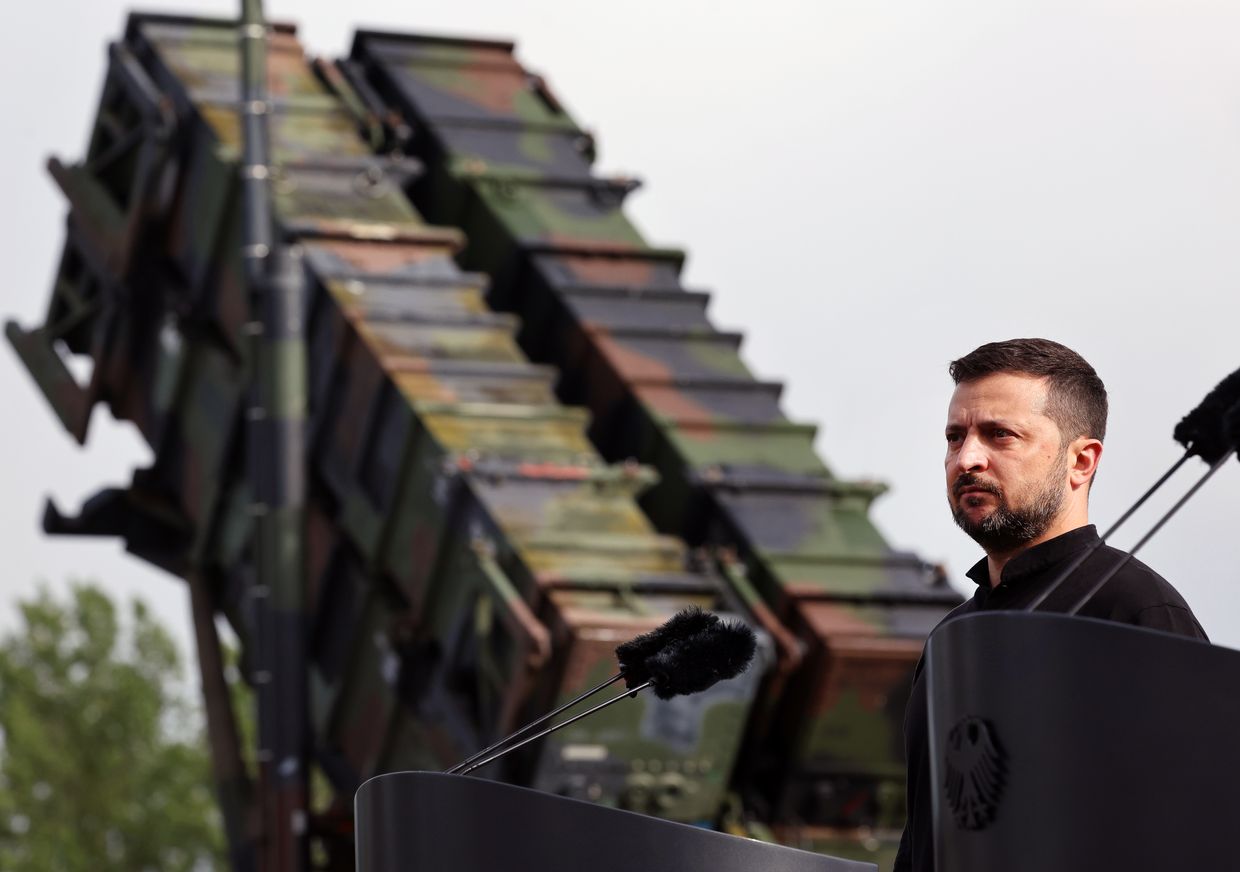
President Volodymyr Zelensky, speaking from Denmark earlier in the day, said that achieving peace would require direct talks between national leaders.
The president described Trump and Putin as "completely different people" but emphasized that only Putin makes decisions in Russia.
"In Russia, only Putin makes decisions, which is why we need a meeting at the leadership level if we want to have peace," Zelensky said.
U.S. weapons already in Poland en route to Ukraine have been halted, including advanced air defense systems and precision missiles, the Wall Street Journal reported on July 2.
The Pentagon confirmed the halt in a July 2 briefing, citing an ongoing "capability review" aimed at ensuring U.S. military assistance "aligns with its strategic defense priorities."
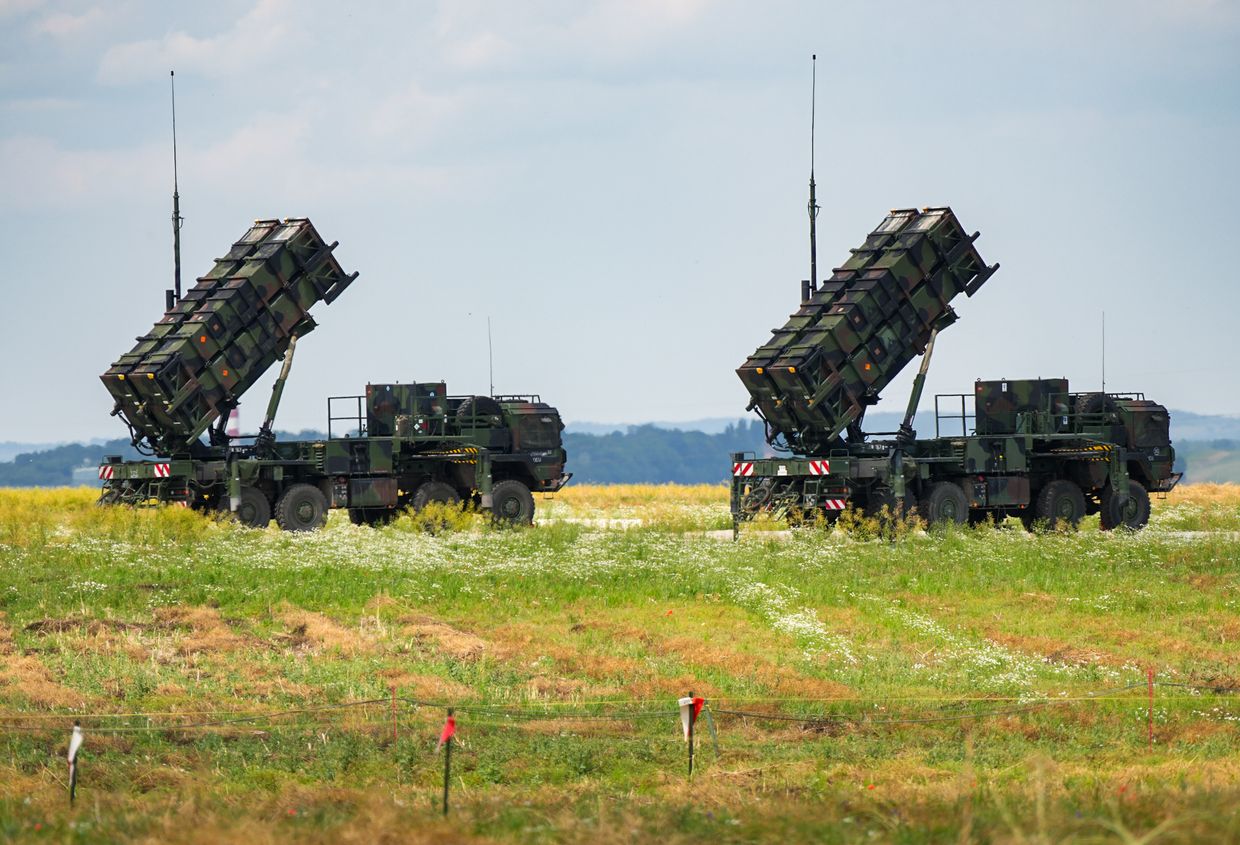
The shipment in Poland includes over two dozen PAC-3 Patriot missiles, more than two dozen Stinger air-defense systems, Hellfire air-to-ground missiles, and over 90 AIM air-to-air missiles intended for use with Ukraine's F-16 fighter jets, according to U.S. administration and congressional officials cited by the Wall Street Journal.
"We see this as a common-sense, pragmatic step towards having a framework to evaluate what munitions are sent and where," Pentagon spokesperson Sean Parnell said.
The decision has sparked backlash from both sides of the political aisle in Washington. Republican Rep. Brian Fitzpatrick, co-chair of the Congressional Ukraine Caucus, called the pause "unacceptable," while Democratic Senator Richard Blumenthal labeled it "fallacious and maybe even disingenuous."
The pause comes at a critical moment for Ukraine, which faces intensified Russian missile and drone strikes. On June 29, Russia launched the largest aerial assault against Ukraine since the start of its full-scale invasion in February 2022, targeting civilian infrastructure and cities far beyond the frontline.
NATO Secretary General Mark Rutte, speaking on July 2, emphasized the urgency of continued Western support for Kyiv. "I totally understand that the U.S. always has to make sure its interests are covered," he said. "But in the short term, Ukraine cannot do without all the support it can get."
The Pentagon has not provided a timeline for when the held-back shipments might resume.
A bipartisan group of U.S. lawmakers are voicing their opposition to the Trump administration's decision to halt shipments of some air defense missiles and other weapons previously promised to Kyiv.
The U.S. Defense Department (DOD) made the decision to pause the aid deliveries after conducting a review of U.S. munitions stocks, reportedly concerned about dwindling levels of artillery rounds, air defense missiles, and precision munitions.
Among the items being held back from Ukraine are over two dozen Patriot air defense missiles, over two dozen Stinger air-defense systems, precision artillery rounds, Hellfire missiles, drones, and more than 90 AIM air-to-air missiles that Ukraine launches from F-16 fighter jets. The Washington Post reported that the weapons were already in Poland being prepped for delivery to Ukraine.
Republican Rep. Brian Fitzpatrick, the co-chair of the Congressional Ukraine Caucus, lambasted the decision in a post on X.
I will be aggressively looking into this matter and will be demanding accountability. We must build up our own Defense Industrial Base here in the U.S. while simultaneously providing the needed assistance to our allies who are defending their freedom from brutal invading… https://t.co/pRTOMCghWh
— Rep. Brian Fitzpatrick 🇺🇸 (@RepBrianFitz) July 2, 2025
Fitzpatrick, a staunch ally of Ukraine who has previously visited the front line, said he "will be aggressively looking into this matter and will be demanding accountability."
"We must build up our own Defense Industrial Base here in the U.S. while simultaneously providing the needed assistance to our allies who are defending their freedom from brutal invading dictators. To not do both is unacceptable," the Congressman added.
In a letter to U.S. President Donald Trump about the reported halt of air defense deliveries, Fitzpartick requested an emergency briefing from the White House and DOD on the shipments.
"Ukraine's courage must continue to be met with action, and the United States must continue to lead with clarity and purpose," Fitzpartick wrote.
Another Republican House member, Rep. Michael McCaul, said he is examining "very intensely" whether the Pentagon’s freeze breaches legislation on aid to Ukraine passed in 2024, Politico reported.
As Trump continues to call for a ceasefire from Moscow, McCaul said that the decision comes "at the wrong time."
"If you want to get (Russian President Vladimir Putin) to the negotiating table in good faith, you have to put leverage and pressure on him, and that would be (Senator) Lindsey Graham’s economic sanctions and the flow of weapons," McCaul said. "If you take the flow of weapons out, yeah, then you’re not, you don’t have the leverage over Putin to negotiate."
Other Republican members of Congress have thus far dismissed concerns over the reported halts, stating that they are waiting to be briefed with additional information before speaking about the reports.
On the other side of the isle, Democratic lawmakers have also lambasted the real world implications of halting military aid for Ukraine.
Senator Richard Blumenthal, a member of the Senate Armed Services Committee, said in an interview that more civilians are "going to lose more lives, more people will be maimed and injured — more homes, hospitals, schools will be destroyed," calling the decision, "fallacious and maybe even disingenuous."
Since his inauguration in January, Trump has not approved any additional military aid packages for Ukraine. Defense Secretary Pete Hegseth also announced recently that the U.S. will reduce the total aid it sends to Ukraine in its upcoming defense budget.
In his evening address on July 2, President Volodymyr Zelensky said Ukrainian and U.S. officials are working through the aid issue at a "working level," including discussions on critical air defense support. Head of the Presidential Office Andriy Yermak held a late night phone call with Rep. Brian Mast, Chair of the House Committee on Foreign Affairs.
Ukraine's Defense Ministry said it has not received any formal notification of delays or cancellations but has requested urgent consultations with U.S. defense officials.
The Foreign Ministry also summoned U.S. Charge d'Affaires John Ginkel, warning that "any hesitation" in military support would encourage further Russian aggression.
The Kremlin welcomed the decision, with spokesperson Dmitry Peskov saying, "The fewer weapons that are supplied to Ukraine, the closer the end of the (war)."
NATO Secretary General Mark Rutte expressed understanding of Washington's desire to safeguard its stockpiles but said, "Ukraine cannot do without all the support it can get."
Editor's note: This is a developing story and is being updated.
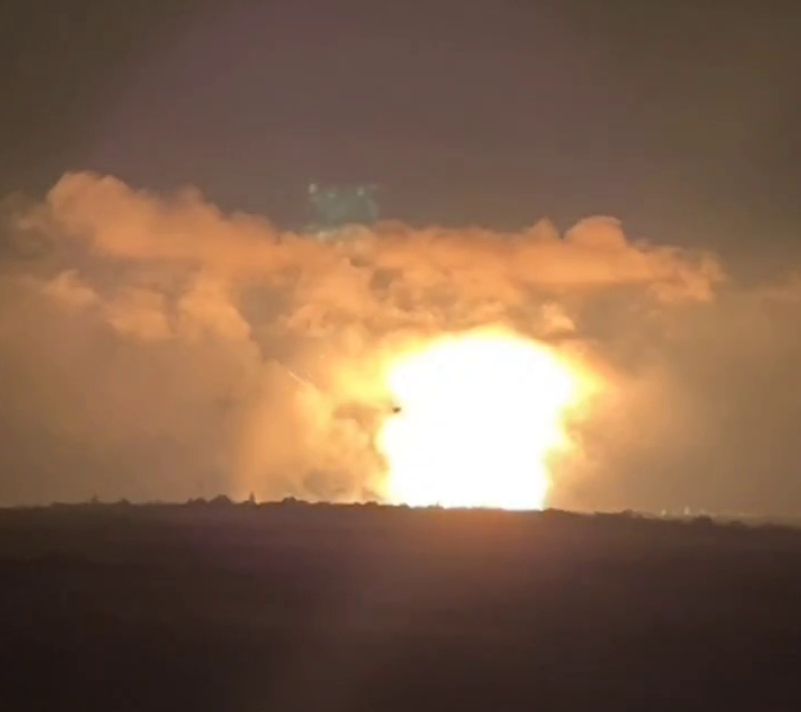
Ukraine reportedly struck a Russian ammunition depot in the town of Khartsyzk in occupied Donetsk Oblast on July 2, Russian Telegram channels reported.
Videos posted on social media purportedly show massive explosions near the reported ammunition depot, located just east of the Russian-occupied city of Donetsk.
The Kyiv Independent cannot immediately verify the reports.
Ukraine's military has not commented on the reported attack. No information was immediately available as to the extent of the damage caused.
0:00
/
A purported video of explosions at a Russian ammunition depot in occupied Donetsk Oblast on July 2, 2025. (ASTRA/Telegram)
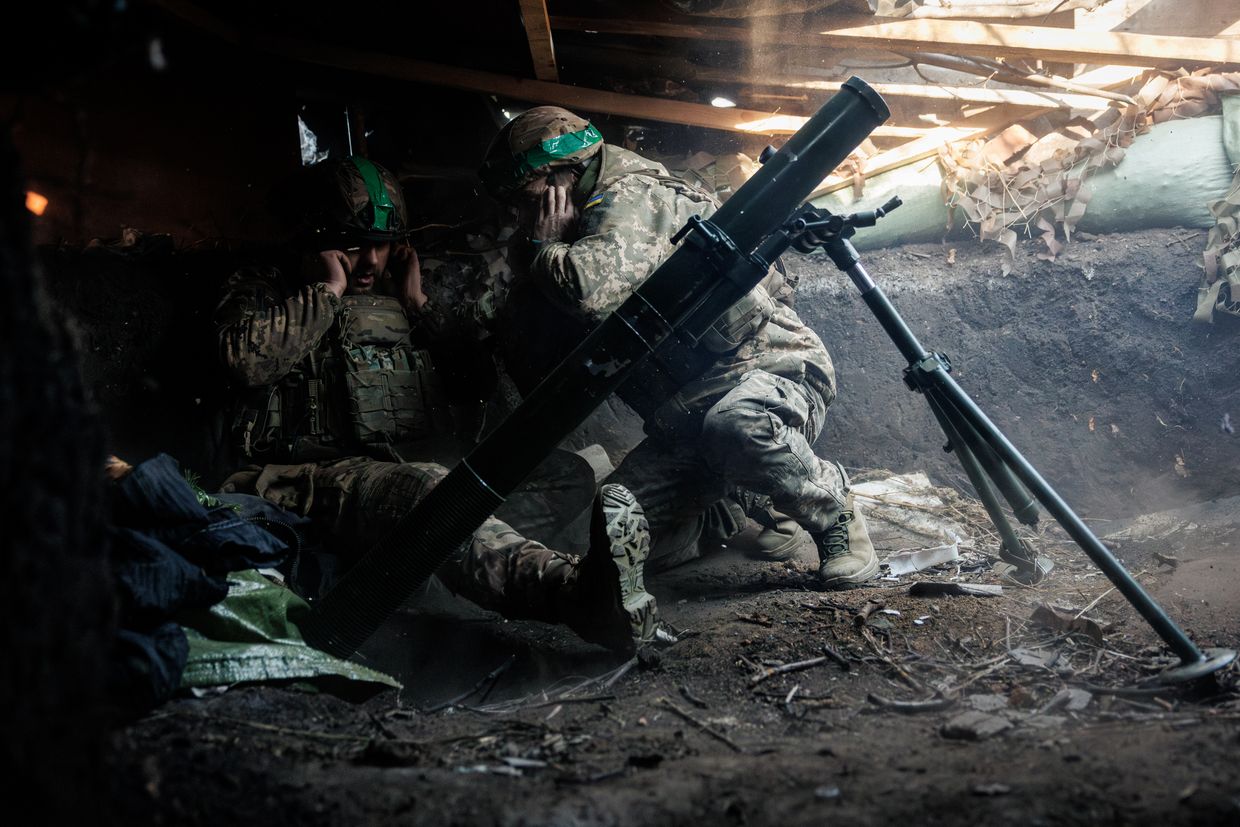
Ukraine's military regularly strikes military targets in Russian-occupied territories and deep within Russia in an attempt to diminish Moscow's fighting power as it continues its war against Ukraine.
On the evening of June 30, Ukraine similarly struck a command post of the 8th Combined Arms Army of the Russian Armed Forces in the Russian-occupied part of Donetsk Oblast.
Russia has for months focused its offensive efforts on the embattled town of Pokrovsk in Donetsk Oblast and has recently been escalating attempts to break through to neighboring Dnipropetrovsk Oblast, a region that has not yet seen combat.
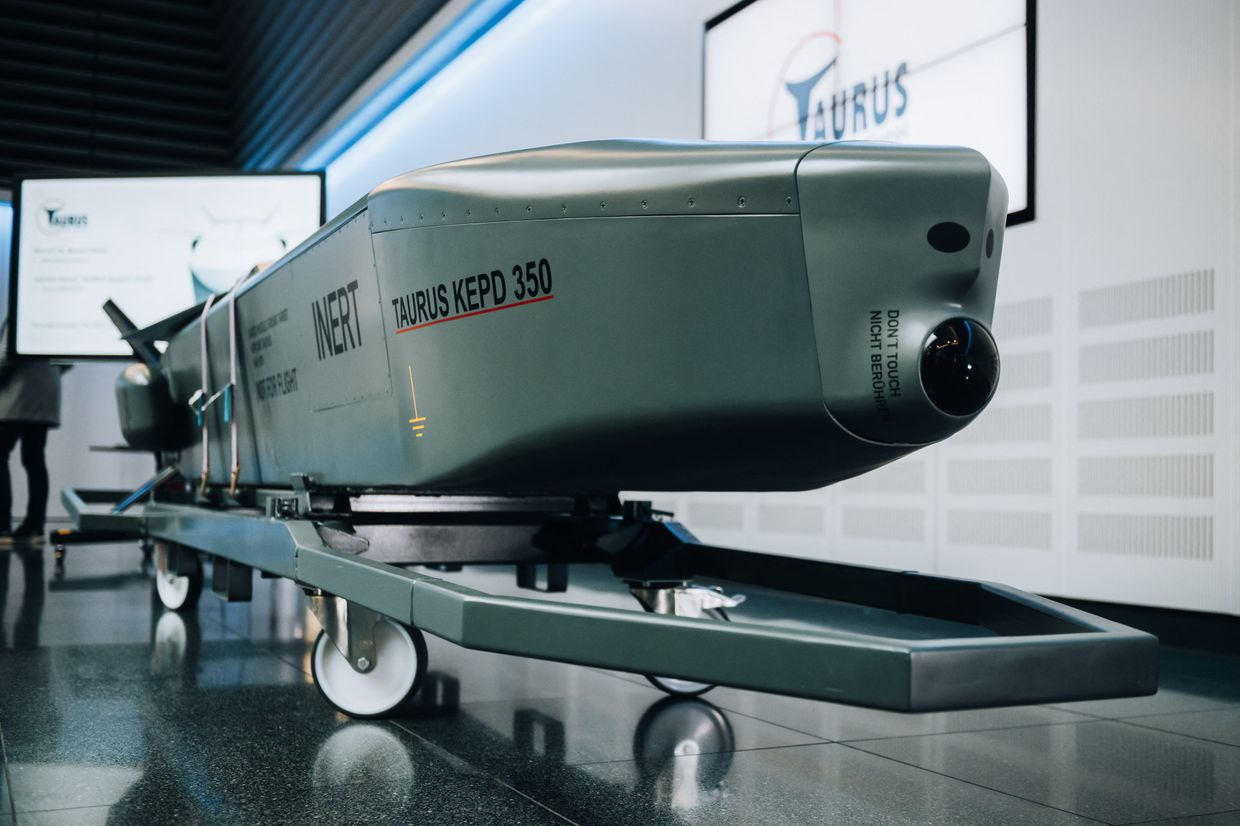
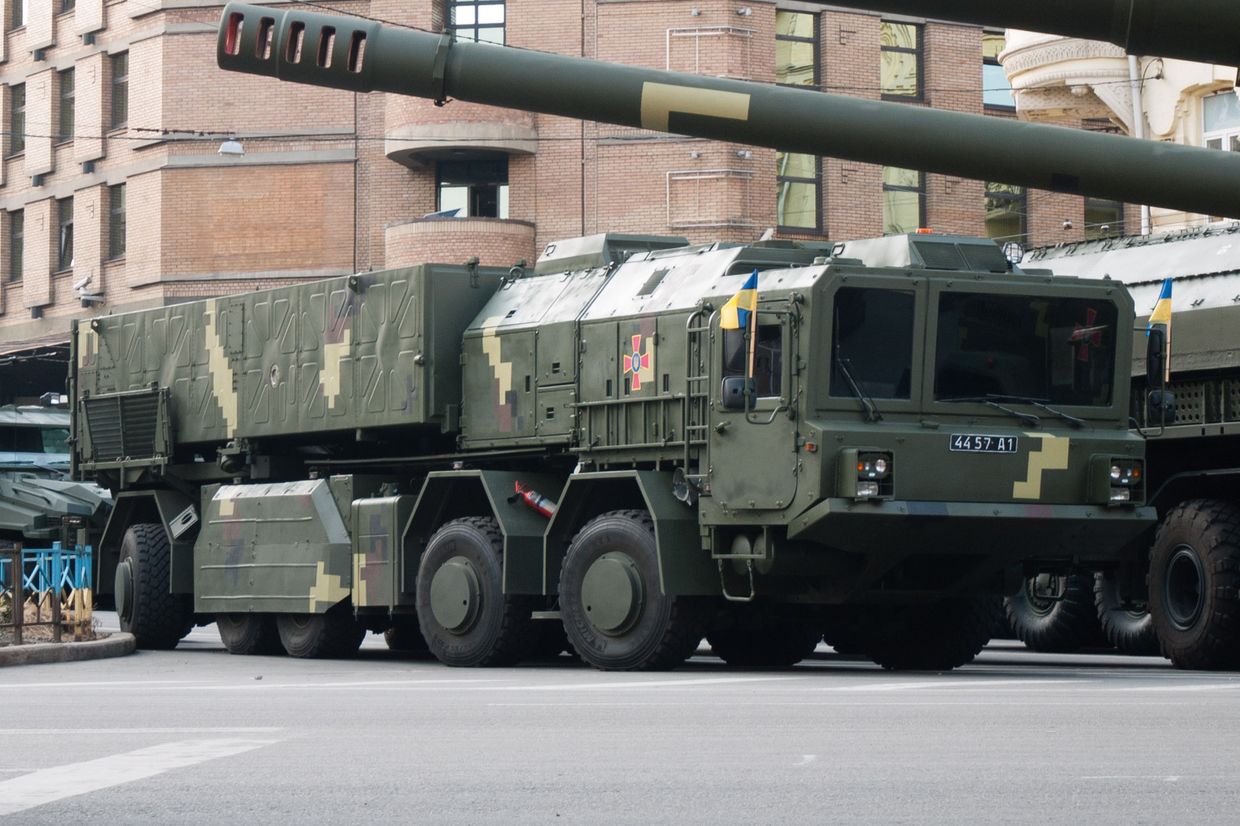
German Chancellor Friedrich Merz said on July 1 that the decision to supply Taurus cruise missiles to Ukraine remains under consideration but stressed that Germany will not become a party to the war.
"It has always been clear that if we supply the Taurus, this weapon will be used not by German soldiers, but by Ukrainians," Merz told Tagesschau. "By the way, the same applies to other cruise missiles supplied by the United Kingdom or France."
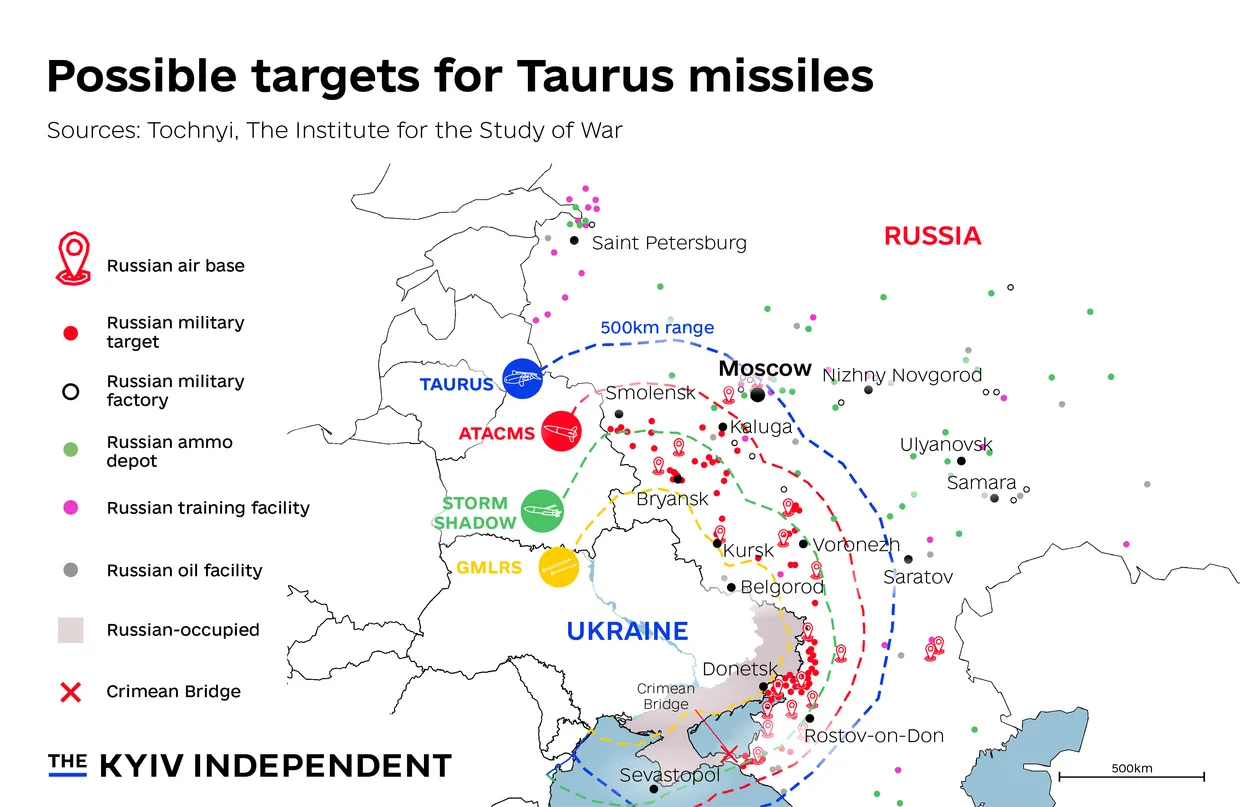
The Taurus is a powerful cruise missile capable of striking targets at a distance of 500 kilometers (300 miles) — a greater range than the long-range weapons Ukraine has received from other partners.
Speaking to the outlet, Merz highlighted the complexity of the Taurus system, noting that it requires extensive training before Ukrainian forces can operate it. In terms of range, speed, and payload, the Taurus missile is similar to the Storm Shadow, which is produced by MBDA’s French division. The key difference lies in the warhead design — Taurus can be programmed to detonate after penetrating fortified targets, such as bunkers or reinforced facilities.
Possible targets for Taurus missiles. (Nizar al-Rifal/The Kyiv Independent)
“The problem for us is that this system is extremely complex, and training soldiers on it takes at least six months. Are they already being trained? We haven't agreed on that yet,” he said. “I discussed this with President (Volodymyr) Zelensky, and I also raised it within the coalition. We haven’t started yet. It is and remains an option.”
The chancellor also added that Germany would no longer publicly disclose details about its military support to Ukraine in order to prevent Moscow from assessing the full scope of Western assistance.
Since Russia launched its full-scale invasion of Ukraine in February 2022, Germany has provided Kyiv with approximately 47.8 billion euros (about $51.8 billion) in total bilateral support, making it Ukraine’s second-largest country donor. This aid includes military equipment, humanitarian assistance, support for refugees, infrastructure repair, and financial aid for energy and winter relief, with military support alone totaling around 28 billion euros ($30 billion).
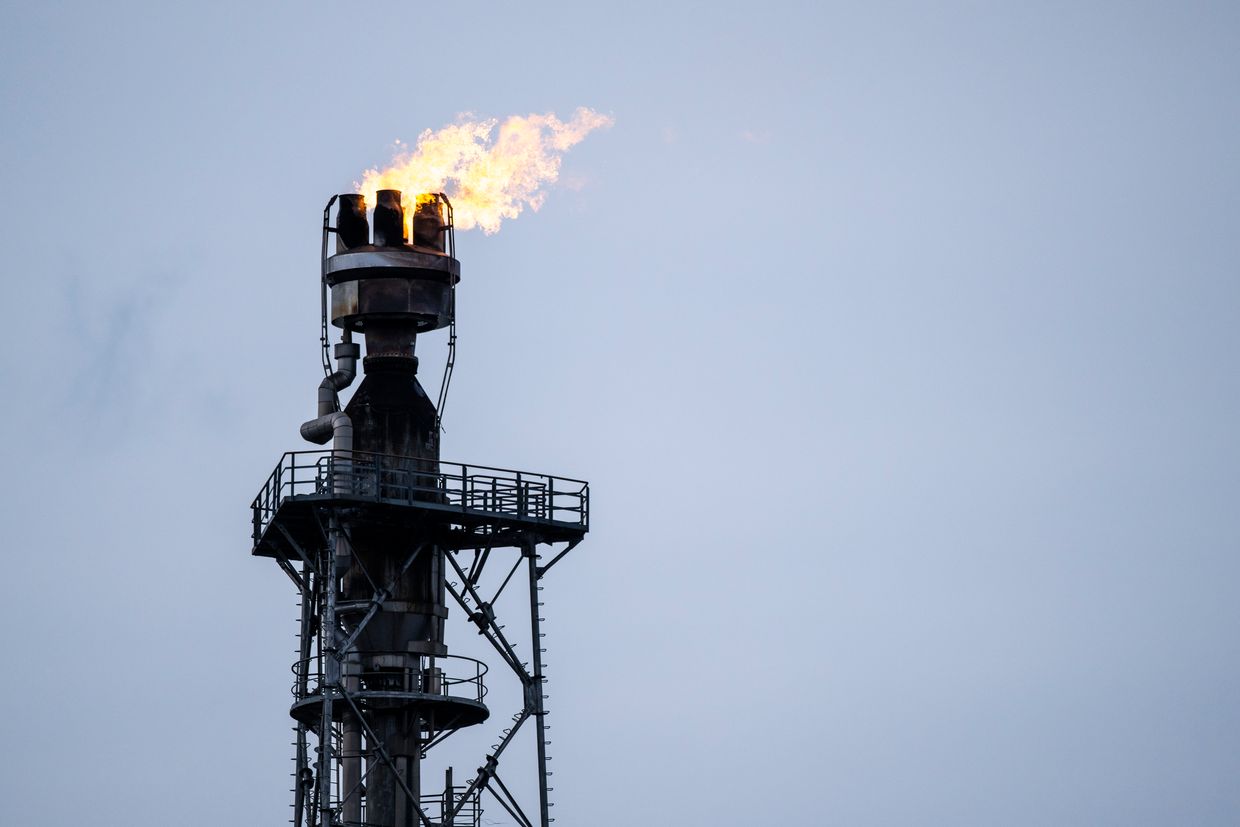
Ukrainian drones struck the Saratovorgsintez oil refinery in Russia's Saratov Oblast, causing damage to the facility, Ukraine's General Staff reported on July 1.
"An important facility has been hit," the General Staff said via its official Telegram channel.
The Saratovorgsintez refinery and chemical plant, owned by Russian energy giant Lukoil, is located nearly 1,500 kilometers (930 miles) from Ukraine's border in the city of Saratov. The city hosts multiple strategic military and industrial sites.
The refinery was targeted to "reduce the enemy's offensive capabilities," the General Staff wrote.
"The occupiers use the capacity of this refinery to supply fuel and lubricants to Russian military units involved in the armed aggression against Ukraine."
The attack was a joint operation carried out by Ukraine's military intelligence agency (HUR) and other military units, the General Staff said. A fire broke out at the site of the attack and damage to the refinery's technological installations has been confirmed. The full consequences of the strike are still being investigated.
The Kyiv Independent could not verify these claims.
The report is the latest in a series of announcements on July 1 about successful Ukrainian strikes on Russian targets. Earlier in the day, HUR released footage of Ukraine's UJ-26 drones, commonly known as Bober (Beavers), targeting high-value Russian air defenses and a fighter jet in occupied Crimea.
The Security Service of Ukraine (SBU) also announced that Ukrainian drones struck a major Russian military plant in the city of Izhevsk, over 1,300 kilometers (800 miles) from the front lines.
Ukraine also hit a Russian command post in occupied Donetsk Oblast, according to the General Staff.
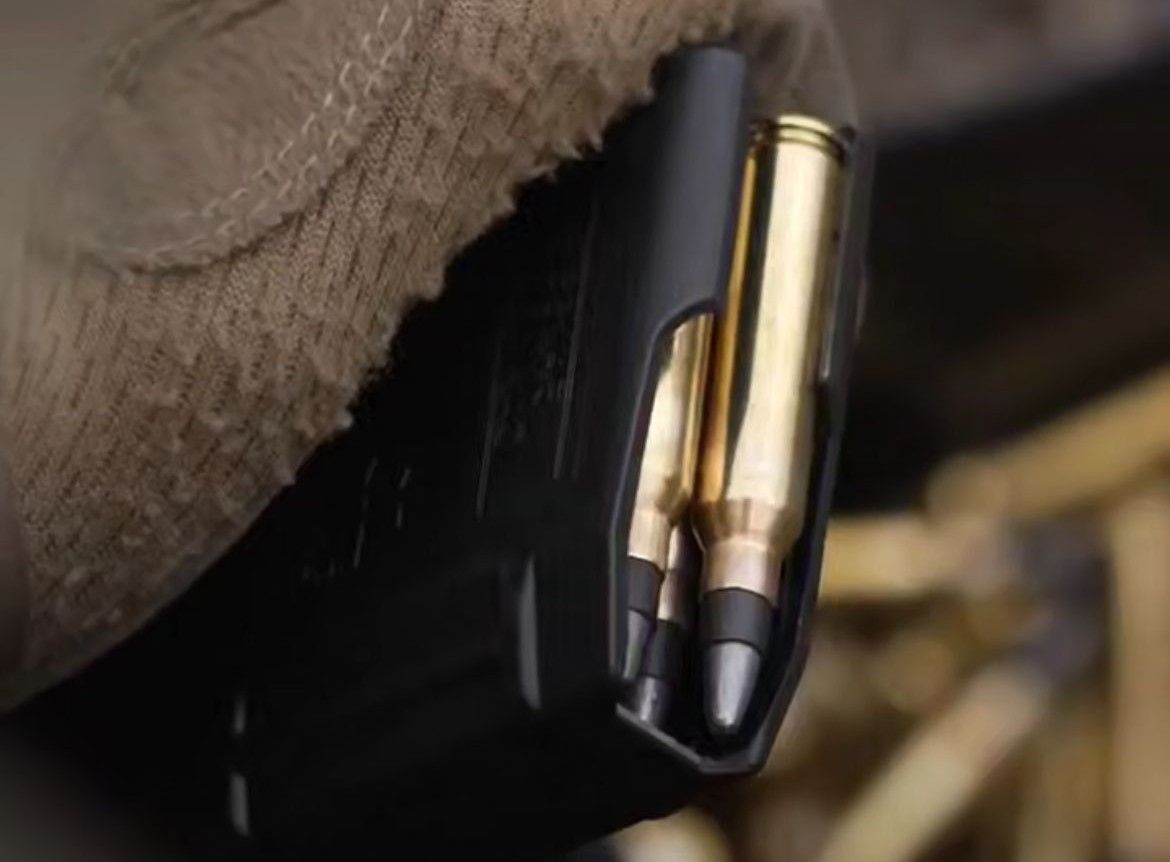
Ukraine's defense technology cluster Brave1 has launched the development of anti-drone rifle rounds, significantly increasing the chances of hitting fast-moving aerial targets, the group said in a statement on June 30.
According to Brave1, the ammunition appears similar to standard rounds used in automatic rifles but features a specially designed warhead that increases the likelihood of shooting down FPV (first-person-view) drones or commercial quadcopters such as the DJI Mavic before they strike.
These types of drones are being used extensively on the battlefield by both Ukrainian and Russian forces. The cost-effective FPV drones have proven highly effective in destroying expensive military equipment.
The manufacturer has already codified the new rounds according to NATO standards, Brave1 said. The goal is to supply every infantry soldier with a magazine of specialized ammunition for use in case of aerial threats.
"These rounds that significantly improve the chances of hitting a moving target are a new development by Brave1," Digital Transformation Minister Mykhailo Fedorov said.
"Our common goal is to ensure that every infantryman has a magazine of such ammunition and can equip his rifle with it in case of an air threat."
Ukraine continues to scale up its drone warfare capabilities. The Defense Ministry said on March 10 that it plans to purchase 4.5 million FPV drones in 2025 at a cost exceeding Hr 110 billion ($2.6 billion), with most of the funds allocated through the Defense Procurement Agency.
President Volodymyr Zelensky has set a goal of producing at least 30,000 long-range drones in 2025.
Russia has lost 1,020,980 troops in Ukraine since the beginning of its full-scale invasion on Feb. 24, 2022, the General Staff of Ukraine's Armed Forces reported on July 1.
The number includes 970 casualties that Russian forces suffered just over the past day.
According to the report, Russia has also lost 10,983 tanks, 22,928 armored fighting vehicles, 53,696 vehicles and fuel tanks, 29,754 artillery systems, 1,427 multiple launch rocket systems, 1,190 air defense systems, 420 airplanes, 340 helicopters, 42,940 drones, 3,436 cruise missiles, 28 ships and boats, and one submarine.


 00:01
00:01
 admin
admin

 Andrea Januta